
Why You’re Burning Out in the Gym (Even If You’re Disciplined)

Share this article

Why You’re Burning Out in the Gym (Even If You’re Disciplined)


Overtraining Symptoms in High-Performers

You walk into the gym already tired.

You tell yourself it’s just mental.

You warm up. You add weight. You push.

You leave feeling accomplished — and wired.

By Thursday, you’re exhausted.

So you push harder.

If you’re a high-performer, this pattern probably feels familiar.

You’re not inconsistent.

You’re overdriving.


The High-Performer Pattern

You pride yourself on discipline.

You show up.

You don’t make excuses.

You push through.

That mindset builds companies.

It leads teams.

It wins deals.

But in the gym?

That same instinct can quietly create burnout.

Not because you lack grit.

Because you apply pressure without regulation.


What Burnout Actually Looks Like

Burnout in the gym doesn’t look dramatic.

It looks subtle.

• You’re constantly sore.

• Strength stops climbing.

• Sleep feels lighter than it used to.

• Your afternoon energy dips hard.

• You need more caffeine just to feel normal.

You’re still training.

You’re still disciplined.

But internally, adaptation has slowed.

That’s not laziness.

That’s cumulative load.


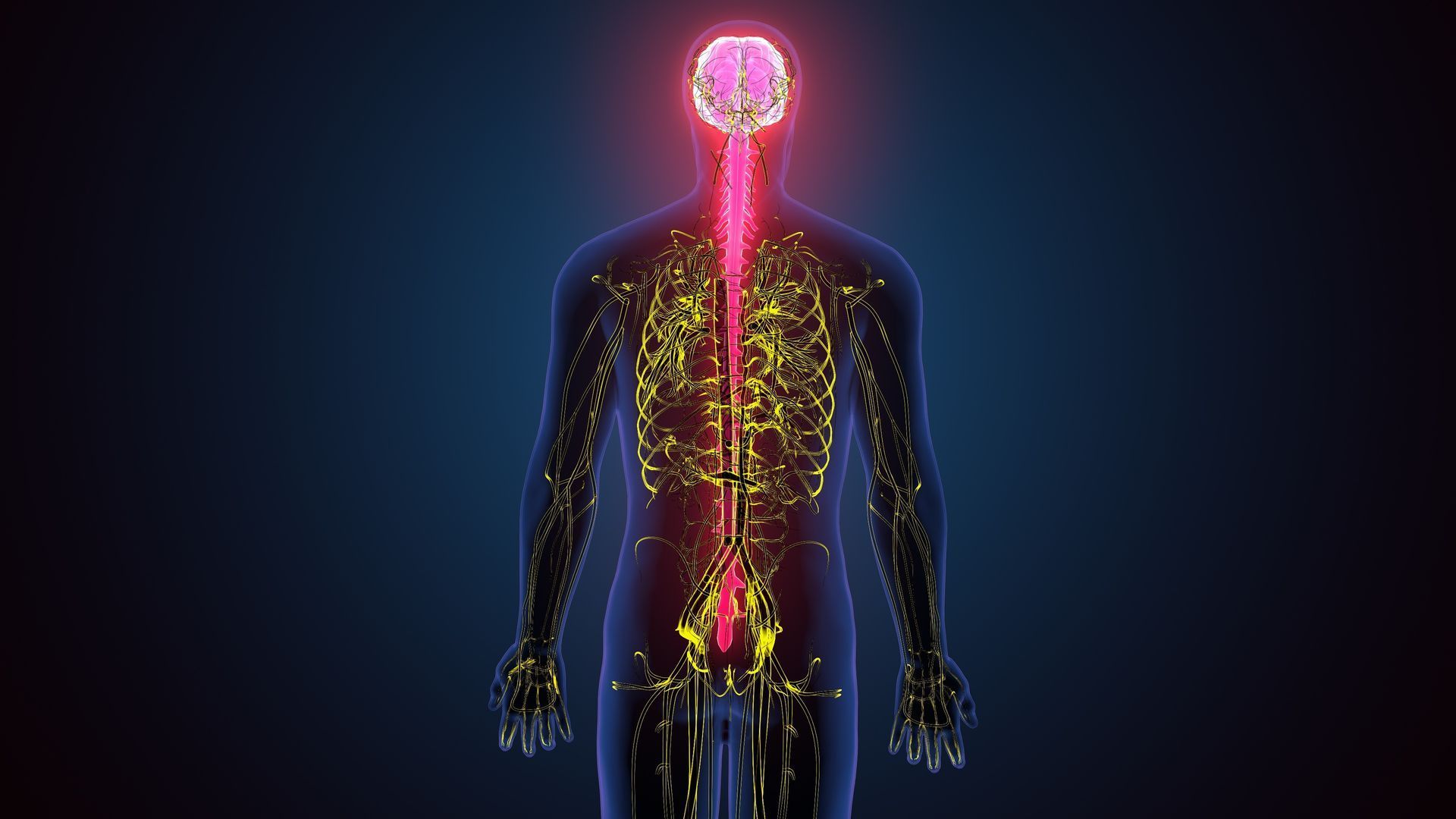
The Nervous System Problem

Strength training is stress.

That’s not a flaw — it’s the mechanism.

Mechanical tension + recovery = adaptation.

But most high-performers already live at a high baseline stress level.

Leadership stress.

Decision fatigue.

Cognitive load.

Performance pressure.

Add heavy lifting on top of that — without regulating baseline stress — and your nervous system never fully resolves activation.

Cortisol remains elevated.

Sleep depth shortens.

Recovery slows.

Inflammation increases.

You can still train hard.

But you stop adapting efficiently.

That’s where burnout begins.


Why Discipline Makes It Worse

Here’s the uncomfortable truth.

Discipline is often the mask high-performers use to hide dysregulation.

You override fatigue.

You increase volume.

You tighten nutrition.

You add more supplements.

You double down.

You solve a regulation problem with more force.

And because you’re capable, it works — temporarily.

Until it doesn’t.


The Identity Trap

Training becomes proof.

Proof you’re still sharp.

Still intense.

Still ahead.

So reducing intensity feels like regression.

Deloading feels like weakness.

But real strength isn’t constant escalation.

It’s controlled progression.

The strongest lifters don’t max every week.

They sequence load.


The Correction

Before increasing intensity, ask:

• Is my sleep consistent?

• Is my life stress elevated right now?

• Am I stacking caffeine on fatigue?

• Have I deloaded recently?

• Am I training at RPE 9+ too often?

For two weeks:

Cap sets at RPE 8.

Reduce volume slightly.

Protect your sleep window.

Add 5 minutes of deliberate downregulation after training.

Containment first.

Then escalation.


The Shift

You don’t burn out because you lack discipline.

You burn out because you apply discipline without regulation.

High-performers don’t need to train less.

They need to train in sequence.

And once you fix the sequence, adaptation returns.

Energy stabilizes.

Strength compounds.


In the next article, we’ll break down the specific signs of nervous system dysregulation — so you can identify exactly where you are on the spectrum.

Because awareness is the first rail.

Recent Posts

Man in red shirt jumping onto a box in a gym, another person is seen in the mirror.
December 18, 2025
Strength training for high performers who want to prevent burnout. Regulate your nervous system, improve recovery, and build sustainable muscles and resilience.