
Why Slowing Down Feels Threatening to High-Performers
If you’re ambitious, slowing down rarely feels strategic.
It feels dangerous.
Even when you’re exhausted.
Even when your body is clearly asking for recovery.
Even when performance is declining.
Rest can feel like loss.
That’s not weakness.
That’s identity.
High Performance Is Often Built on Overdrive
Many high-performers didn’t build success from comfort.
- They built it from:
- Pressure
- Proving
- Intensity
- Outworking the room
- Staying one step ahead
Over time, this pattern becomes familiar.
Activation becomes normal.
Stillness feels foreign.
When your baseline state is “on,” turning it off can feel like losing your edge.
The Hidden Fear
Underneath resistance to slowing down are usually three quiet fears:
- If I ease up, I’ll lose momentum.
- If I’m not pushing, I’ll fall behind.
- If I stop proving, I won’t matter.
These aren’t usually conscious thoughts.
They’re embodied patterns.
And they show up clearly in training:
- Refusing deload weeks
- Increasing volume during stressful periods
- Training harder when life becomes unstable
- Tightening nutrition during emotional load
It feels productive.
But most of the time, it’s reactive.
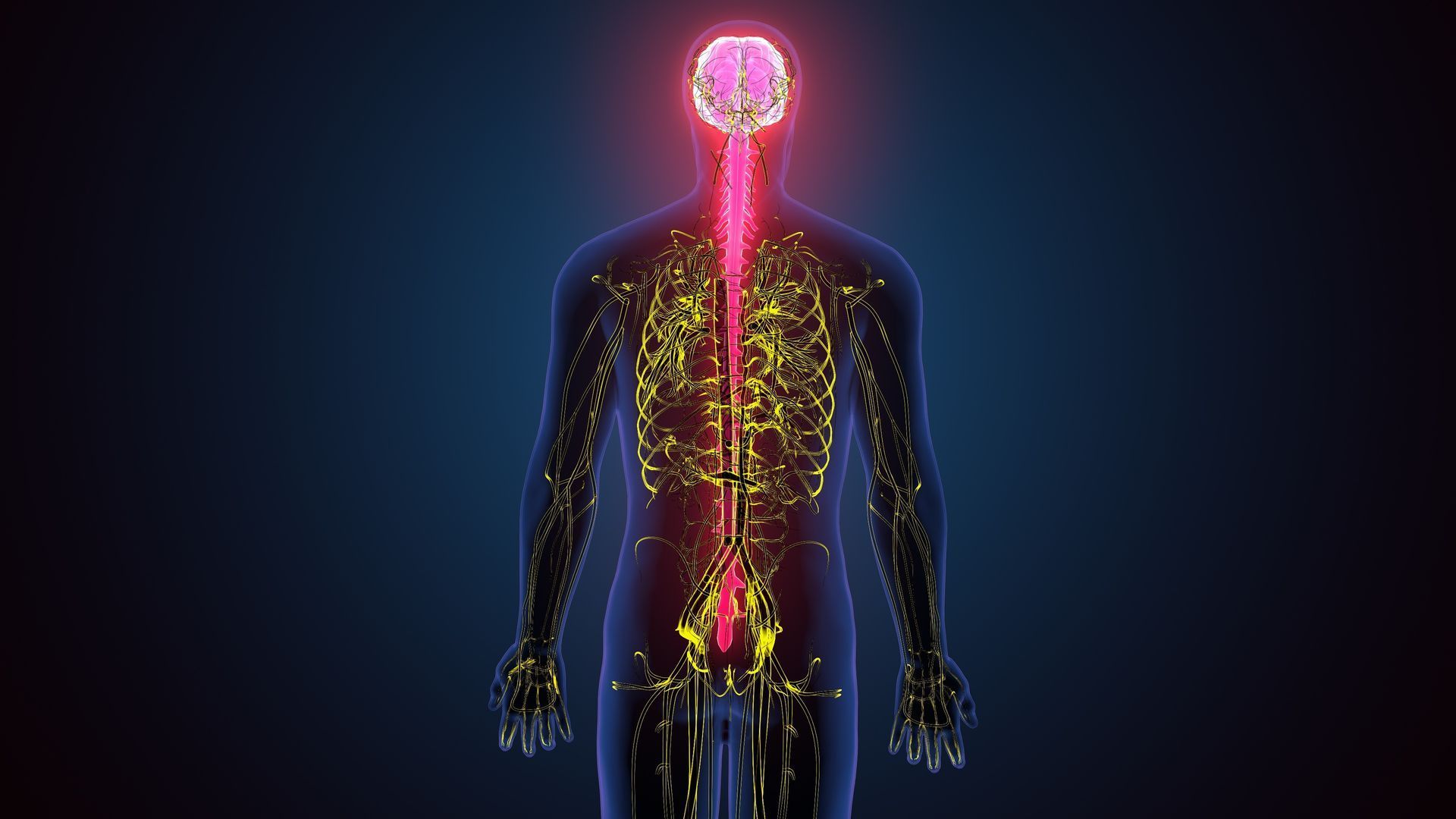
The Nervous System and Identity
When your nervous system has learned that safety comes from control through effort, slowing down can feel unsafe.
The body begins to associate:
- Intensity = Stability
- Pressure = Progress
- Fatigue = Worth
So when someone suggests regulation first, it can sound like retreat.
But regulation isn’t retreat.
It’s recalibration.
Why This Shows Up in the Gym
The gym is measurable.
It’s structured.
It’s controllable.
It’s objective.
For high-performers, it becomes a place to assert control.
So when strength plateaus or fatigue rises, the instinct is simple:
Apply more force.
Because that strategy has worked everywhere else.
But physiology doesn’t reward force alone.
It rewards sequencing.
The Real Shift
The strongest performers don’t lose their edge when they regulate.
They sharpen it.
Regulation does not reduce ambition.
It stabilizes it.
When your nervous system is regulated:
- Decision-making improves
- Emotional reactivity decreases
- Strength adapts faster
- Recovery accelerates
- Focus stabilizes
Strategic slowing down does not make you soft.
It makes you sustainable.
The Identity Upgrade
You don’t stop being intense.
You stop being reactive.
You don’t stop working hard.
You stop working against your physiology.
High-performers don’t need to become less driven.
They need to become more regulated.
That’s the difference between burnout and longevity.
If slowing down feels threatening, that’s useful information.
It means intensity has become identity.
And once identity separates from overdrive, performance becomes stable instead of volatile.
Regulated strength is not passive.
It’s controlled power.
Recent Posts