
Insights and Inspiration for Your Holistic Growth Journey

Share this article

Welcome to Stillness Thundering: Regulated Strength for High-Performing Humans


High-performers don’t burn out because they’re lazy.


They burn out because they don’t know how to regulate power.


If you’re here, chances are you already know how to push.


You’ve built businesses.

Led teams.

Carried pressure.

Handled stress.


You don’t struggle with ambition.


You struggle with pacing.


Most high-performers treat their bodies the same way they treat their careers: apply more force and expect results to compound.


That works — until it doesn’t.


And when it doesn’t, it looks like:

  • Energy crashes at 2 or 3 PM
  • Workouts that feel harder but produce less
  • Burnout from overtraining
  • Sleep that never quite feels restorative
  • A body that feels wired, tight, or inflamed


You don’t need more motivation.


You need regulated strength.


The Problem With Traditional Training


Traditional strength training for high performers often focuses on output.


Lift heavier.

Train harder.

Burn more calories.

Push through.


And meditation, on the other hand, focuses on calm.


Breathe.

Detach.

Relax.


But most high-performers don’t need separate silos of stress and calm.


They need integration.


A normal training program increases stress and hopes your body adapts.


The KEEN EN-BODY Method integrates nervous system regulation directly into progressive strength training, so growth becomes sustainable instead of reactive.


That’s the difference.


What Is Regulated Strength?


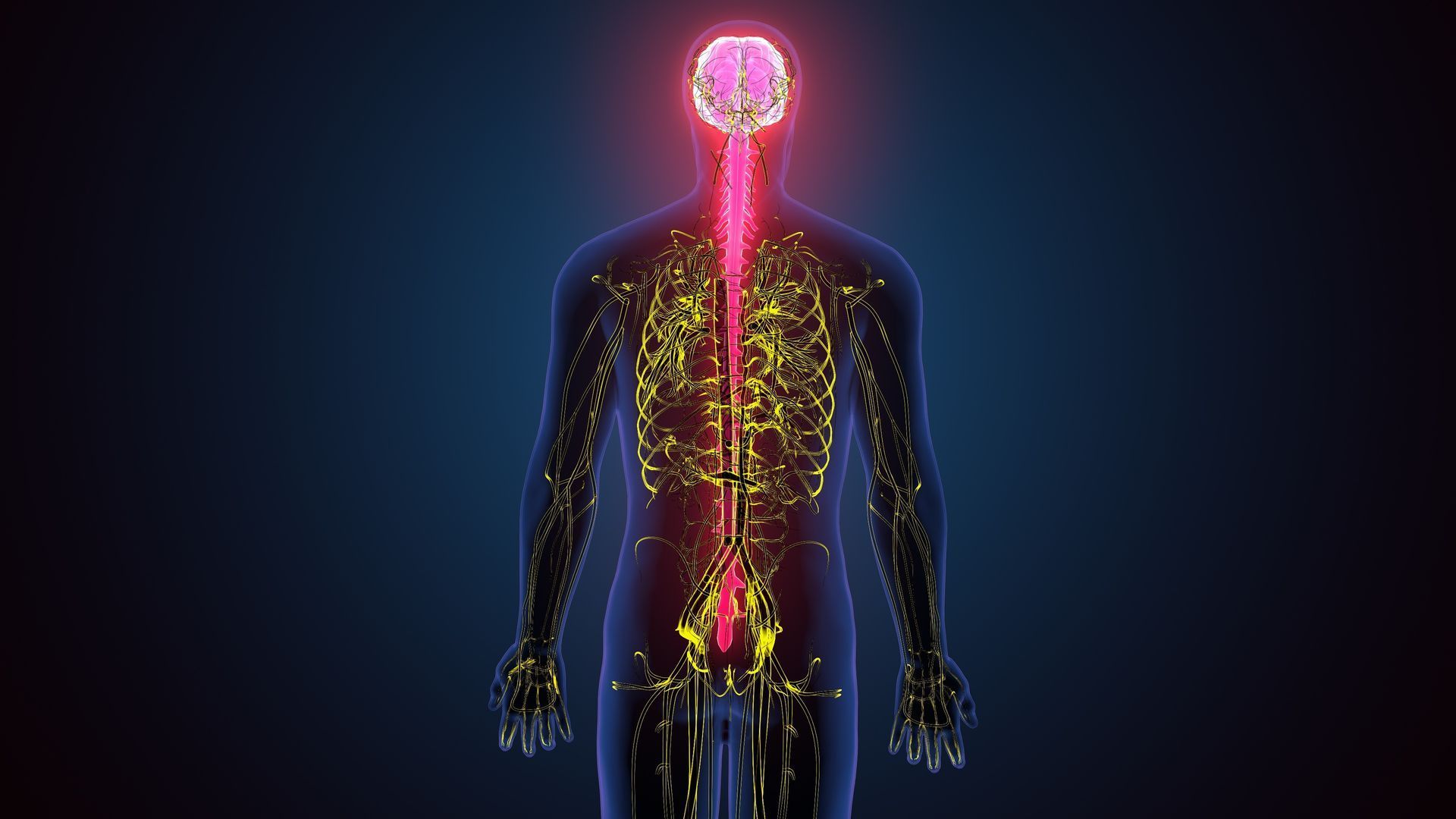
Regulated strength means your nervous system and your musculature evolve together.


It means:

  • You can apply force without frying your system.
  • You can recover quickly after high demand.
  • You can build muscle without constant inflammation.
  • You can pursue sustainable muscle growth instead of chasing short-term intensity.
  • You can handle stress without emotional volatility.


Strength without regulation leads to collapse.


Regulation without strength leads to fragility.


You need both.


The KEEN EN-BODY Method


The KEEN EN-BODY Method is a regulation-first strength system that aligns nervous system capacity with progressive strength training to build sustainable power in high-performing humans.


Here’s how it works:


1. Assess


We evaluate stress load, sleep quality, recovery patterns, and movement mechanics.


You don’t escalate intensity blindly.


2. Regulate


We stabilize baseline nervous system patterns before increasing volume or load.


Breath mechanics.

Recovery structure.

Stress literacy.


3. Build


We apply structured strength and hypertrophy programming.


Progressive overload — intelligently applied.


4. Increase Capacity


You expand workload tolerance without burnout.


Strength increases.

Energy stabilizes.

Resilience compounds.


5. Build Independence


You learn to regulate your own intensity, adjust your own programming, and understand your own physiology.


The goal is not dependency.


The goal is capacity.


What Happens in Six Months


With consistent training (3–4 sessions per week), most clients experience:

  • Significant strength increases (deadlift approaching 2x bodyweight; squat at or above bodyweight)
  • Visible muscular development
  • 5–15 lbs fat loss if needed
  • 5–10 lbs lean mass typical (more possible with high commitment)
  • Elimination of chronic midday crashes
  • Noticeably improved sleep consistency
  • Increased work capacity without burnout
  • Ability to adjust their own programming


You don’t just get stronger.


You get stable.


Who This Is For


Stillness Thundering is for:

  • High-performers tired of overdriving.
  • Leaders who understand stress tolerance matters.
  • Professionals who want muscle and mental clarity.
  • People who value structure over hype.
  • Individuals who want independence, not dependency.


It is not for:

  • Quick-fix seekers.
  • Intensity addicts.
  • Calorie-burn chasers.
  • People unwilling to understand their own physiology.


If you’re looking for hype, you won’t find it here.


If you’re ready to build sustainable power, you will.


Why “Stillness Thundering”?


Because real strength is quiet.


It doesn’t need to prove itself.


It doesn’t need chaos to feel alive.


It builds steadily.

It compounds quietly.

And when it’s time to apply force — it’s there.


Ambitious people don’t need more motivation.


They need regulated strength.


If that resonates, start here.


Join the newsletter.

Book a discovery call.

Begin building power that lasts.

Recent Posts

March 3, 2026
Why You’re Burning Out in the Gym (Even If You’re Disciplined) Overtraining Symptoms in High-Performers You walk into the gym already tired. You tell yourself it’s just mental. You warm up. You add weight. You push. You leave feeling accomplished — and wired. By Thursday, you’re exhausted. So you push harder. If you’re a high-performer, this pattern probably feels familiar. You’re not inconsistent. You’re overdriving. The High-Performer Pattern You pride yourself on discipline. You show up. You don’t make excuses. You push through. That mindset builds companies. It leads teams. It wins deals. But in the gym? That same instinct can quietly create burnout. Not because you lack grit. Because you apply pressure without regulation. What Burnout Actually Looks Like Burnout in the gym doesn’t look dramatic. It looks subtle. • You’re constantly sore. • Strength stops climbing. • Sleep feels lighter than it used to. • Your afternoon energy dips hard. • You need more caffeine just to feel normal. You’re still training. You’re still disciplined. But internally, adaptation has slowed. That’s not laziness. That’s cumulative load. The Nervous System Problem Strength training is stress. That’s not a flaw — it’s the mechanism. Mechanical tension + recovery = adaptation. But most high-performers already live at a high baseline stress level. Leadership stress. Decision fatigue. Cognitive load. Performance pressure. Add heavy lifting on top of that — without regulating baseline stress — and your nervous system never fully resolves activation. Cortisol remains elevated. Sleep depth shortens. Recovery slows. Inflammation increases. You can still train hard. But you stop adapting efficiently. That’s where burnout begins. Why Discipline Makes It Worse Here’s the uncomfortable truth. Discipline is often the mask high-performers use to hide dysregulation. You override fatigue. You increase volume. You tighten nutrition. You add more supplements. You double down. You solve a regulation problem with more force. And because you’re capable, it works — temporarily. Until it doesn’t. The Identity Trap Training becomes proof. Proof you’re still sharp. Still intense. Still ahead. So reducing intensity feels like regression. Deloading feels like weakness. But real strength isn’t constant escalation. It’s controlled progression. The strongest lifters don’t max every week. They sequence load. The Correction Before increasing intensity, ask: • Is my sleep consistent? • Is my life stress elevated right now? • Am I stacking caffeine on fatigue? • Have I deloaded recently? • Am I training at RPE 9+ too often? For two weeks: Cap sets at RPE 8. Reduce volume slightly. Protect your sleep window. Add 5 minutes of deliberate downregulation after training. Containment first. Then escalation. The Shift You don’t burn out because you lack discipline. You burn out because you apply discipline without regulation. High-performers don’t need to train less. They need to train in sequence. And once you fix the sequence, adaptation returns. Energy stabilizes. Strength compounds. In the next article, we’ll break down the specific signs of nervous system dysregulation — so you can identify exactly where you are on the spectrum. Because awareness is the first rail.