
Why Sleep Is the Most Underrated Performance Tool for High-Performers
High-performers respect effort.
They respect discipline.
They respect grind.
They respect output.
They rarely respect sleep.
For a long time, I saw this pattern repeatedly with driven professionals—and I’ve been guilty of it myself. Sleep gets treated like a passive activity, something that happens if there’s time left after everything else.
But sleep is not passive.
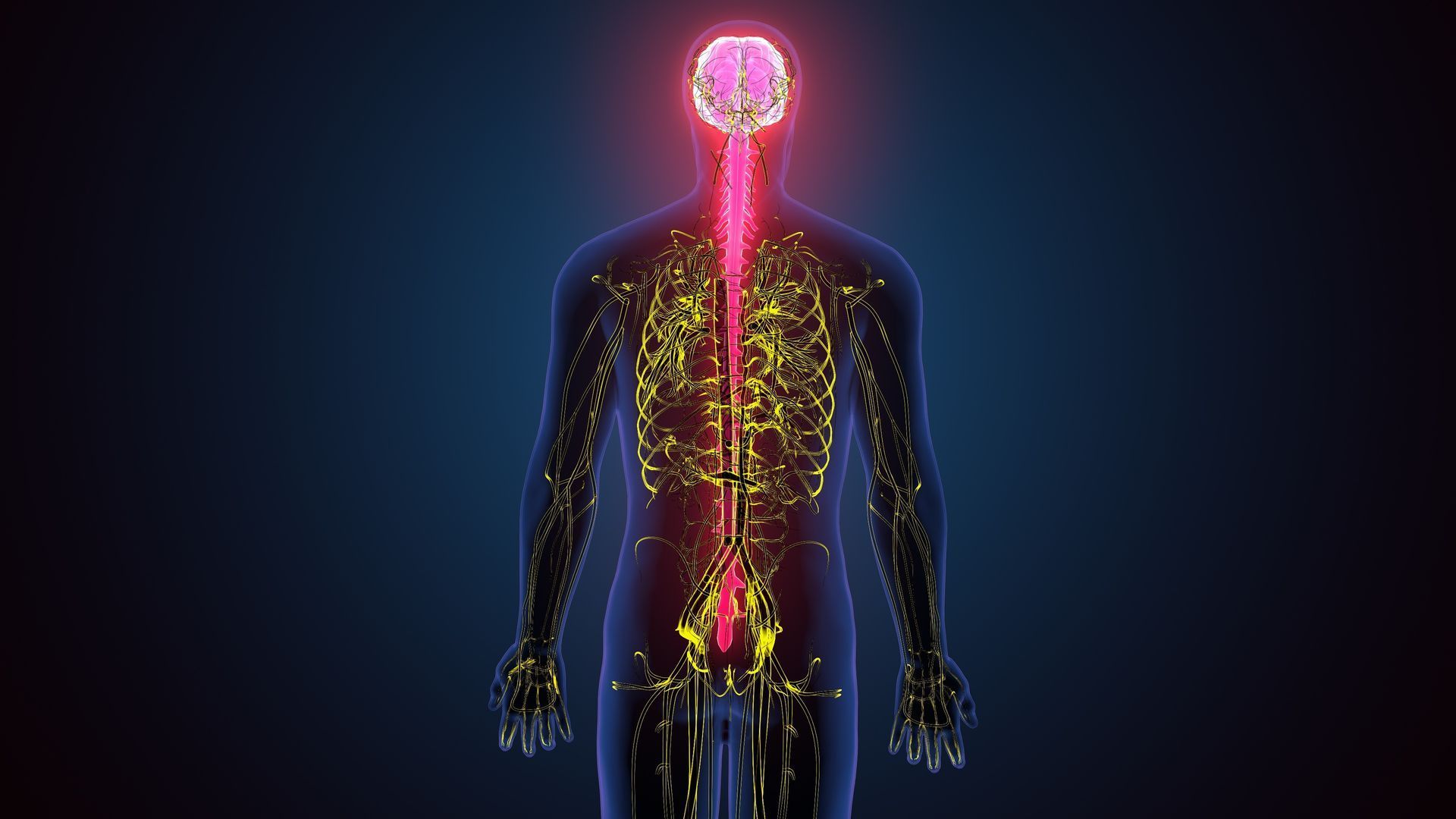
Sleep is active neurological repair.
And without it, strength training becomes inefficient.
Sleep Is Not About Hours. It’s About Recovery Architecture.
Most people ask:
“How many hours do I need?”
That’s the wrong question.
The real question is:
“Is my nervous system completing its recovery cycle?”
- Sleep is when the body performs its most important repair work:
- Cortisol drops
- Growth hormone peaks
- Muscle repair accelerates
- Memory consolidates
- Emotional regulation resets
- Inflammation decreases
If sleep is fragmented or shallow, none of that completes efficiently.
You can train hard.
You just won’t adapt fully.
The High-Performer Sleep Problem
- Most high-performers fall into a similar pattern:
- Working late
- Training intensely
- Consuming caffeine past noon
- Scrolling before bed
- Mentally rehearsing tomorrow’s tasks at night
Their body is physically exhausted.
Their nervous system is still activated.
You can’t out-train poor sleep.
You can’t supplement your way around it.
And you can’t “discipline” your way through neurological repair.
The Cortisol Carryover Effect
If stress remains elevated into the evening:
- Heart rate stays elevated
- Core temperature remains higher
- Melatonin release is delayed
- Deep sleep shortens
You may technically get seven hours in bed.
But you won’t get restorative sleep cycles.
That’s when you wake up tired but wired.
That’s when strength stalls.
That’s when midday crashes return.
Sleep and Sustainable Muscle Growth
Muscle growth does not occur in the gym.
It occurs during recovery.
More specifically:
- Slow-wave sleep drives tissue repair
- Hormonal cycles stabilize during deep rest
- Neural fatigue resets overnight
Without sufficient sleep quality:
- Muscle protein synthesis decreases
- Injury risk increases
- Mood volatility rises
- Recovery time lengthens
If you’re serious about strength training and long-term performance, sleep is not optional.
It’s foundational.
The Regulation Shift
Instead of asking:
“How do I sleep more?”
Ask:
“How do I prepare my nervous system for sleep?”
That’s sequencing.
Simple structural improvements often include:
- A fixed sleep window (consistent time in bed)
- No caffeine within 8 hours of sleep
- No intense work within 60 minutes of bedtime
- 5–10 minutes of downregulation before lights out
- A dark, cool sleep environment
This isn’t biohacking.
It’s baseline recovery architecture.
The Identity Shift
High-performers often equate reduced sleep with toughness.
But recovery is not weakness.
It’s strategy.
The strongest performers in any domain protect sleep like an asset.
Because it is.
If you want regulated strength, stable energy, and sustainable performance:
Sleep isn’t the final step.
It’s the multiplier.
Ambition without sleep becomes volatility.
Ambition with recovery becomes power.
That’s the difference.
Recent Posts